⚖️ Weight-Loss Medications
Healthy body. Confident life.
🔍 Quick Summary
-
Weight-loss medicines are tools to support healthy diet and exercise, not replacements for them.
-
They work mainly by reducing appetite, increasing satiety, or affecting fat absorption.
-
Must always be used under professional medical supervision.
-
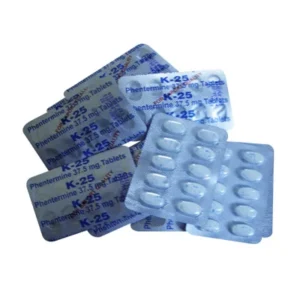
Example: Phentermine 37.5 mg, a prescription appetite suppressant for short-term use.
🌿 Introduction
-
Obesity as a health challenge and why medical help may be needed.
-
How medication fits into lifestyle and behavioral change programs.
-
The importance of balanced nutrition, sleep, and movement.
💊 Section 1: Types of Weight-Loss Medications
-
Appetite Suppressants (Sympathomimetic Agents) – e.g., Phentermine.
-
Lipase Inhibitors – reduce fat absorption (e.g., orlistat).
-
GLP-1 Receptor Agonists – regulate appetite hormones.
-
Combination Therapies – target multiple metabolic pathways.
⚙️ Section 2: How They Work
-
Brief, easy-to-read explanation of energy balance and metabolism.
-
How medicines alter brain chemistry or digestion to support calorie control.
-
Short-term vs long-term treatment approaches.
⭐ Section 3: Phentermine 37.5 mg
-
General purpose and medical use.
-
How it acts on the sympathetic nervous system to reduce appetite.
-
Short-term therapy guidance (always supervised).
-
Common side effects: insomnia, dry mouth, elevated heart rate.
-
Warnings about misuse, contraindications (heart disease, high blood pressure, pregnancy).
-
Emphasis on pairing with diet, exercise, and behavioral coaching.
-
Secure storage and doctor monitoring.
🍎 Section 4: Lifestyle & Behavioral Support
-
Portion control, mindful eating, hydration.
-
Regular exercise and muscle-preserving activity.
-
Stress reduction and sleep hygiene for hormone balance.
🧘 Section 5: Safety, Precautions & Responsible Use
-
Only under physician supervision.
-
Avoid double-dosing or combining with caffeine/stimulants.
-
Recognizing signs of side effects or dependence.
-
Regular medical check-ups (blood pressure, heart rate, mood).
-
Never share prescription medication.
💬 Section 6: Non-Drug & Natural Approaches
-
Dietary planning and professional nutrition support.
-
Behavioral therapy, goal tracking, accountability groups.
-
Herbal and over-the-counter aids—importance of verifying safety and evidence.
🌈 Section 7: Staying Motivated for Long-Term Success
-
Setting realistic expectations (1–2 lbs/week).
-
Celebrating non-scale victories: energy, mood, stamina.
-
Creating sustainable habits after stopping medication.